

Given the breadth and quality of design in Japan, we knew we still had much to learn after our interview with DEJIMAGRAPH in Nagasaki. We also knew exactly who we wanted to hear from. The team at Irobe Design Institute, based in Tokyo, creates pristine brand identities, wayfinding systems, packaging design and more. They've received awards from Tokyo Art Directors Club Japan One Show Design and D&AD, to name a few. So we were thrilled when Yoshiaki Irobe himself agreed to chat with us.
Here we talk with Yoshiaki Irobe about the lack of quality design education in Japan, how one small action can trigger big change and, of course, the 2020 Summer Olympics logo.

First, let’s talk about your studio. Who is the team behind Irobe and why did you decide to open a graphic design studio?
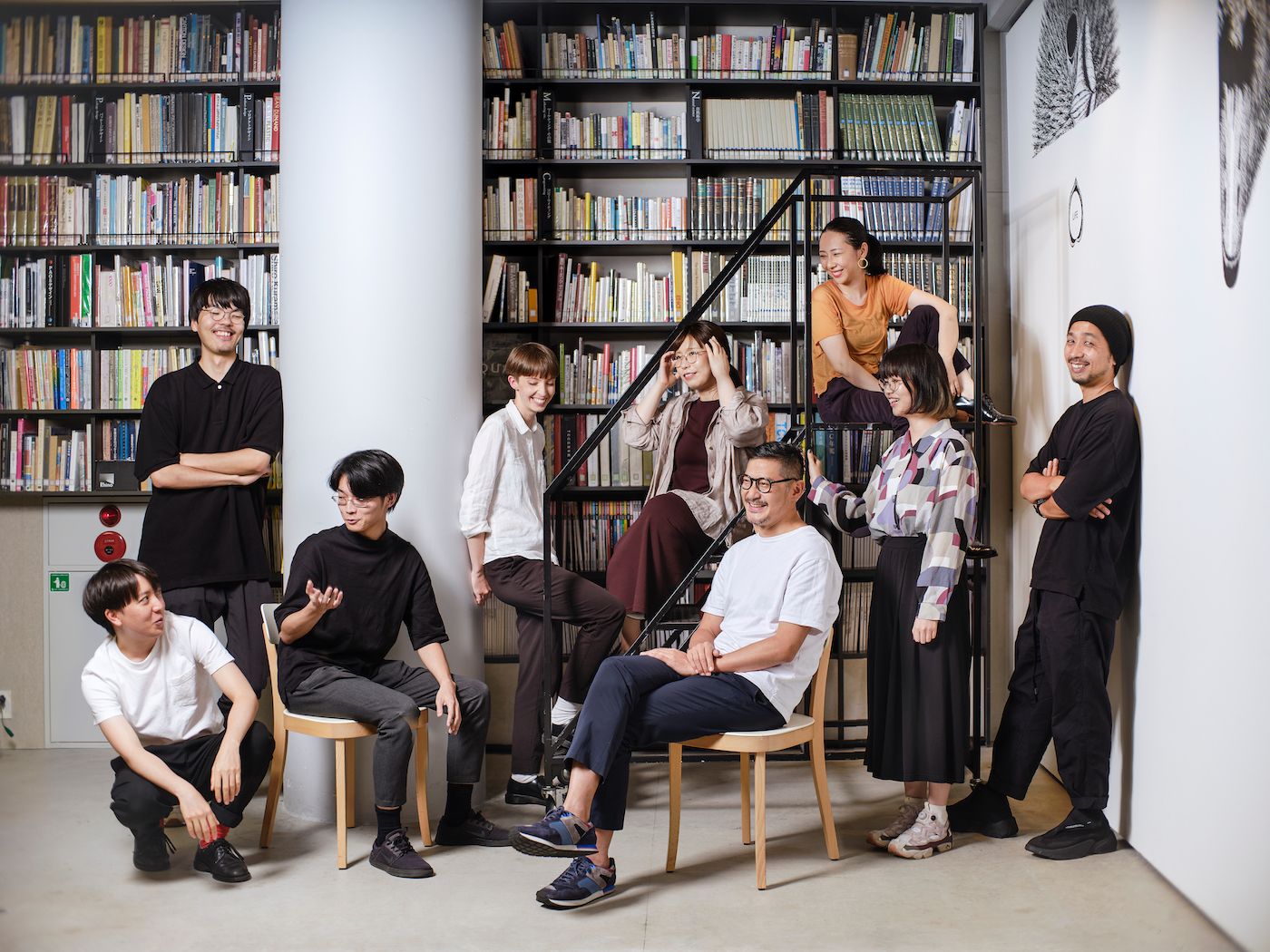
My team is based in Nippon Design Center, Inc. (NDC). Speaking of, I’m still a member of NDC which is a long-established design company in Japan. After I joined NDC in 2003, I was in a big team which heads Kenya Hara. Eventually I got an offer for an individual from clients, which led to having my own team inside NDC. At the beginning of 2011, I was the only team member. Now we have eight designers, including myself and a project manager.
Japanese design is known the world over, but tell us a bit about design community in Tokyo specifically. Tokyo is considered the design hub in Japan – what makes it so special? And do many platforms and events exist in Tokyo that connect you with other designers?
Everything is gathering Tokyo — not only culture (including design) but also business and politics. So when you see it from outside of Japan, this makes Tokyo special.
When we take it inside of Japan, geographically Tokyo is located in the middle of the Japanese archipelago, so many cultures are crossing by each other and mixed on average. This could also be what makes Tokyo special. These days there are energetic graphic designers based in the Kansai area (the west side of the Japan center on Osaka) and Hokkaido.
We all have an idea of Japanese design in our minds, to the point where some might stereotype it or think of cliches (minimalism being one of them). How would you generally describe the design you see coming from Tokyo and Japan today?
Speaking with the perspective of a long history, there are two contrasting aesthetic senses in Japan. One is the austere beauty represented by ISE JINGU, which has a link to minimalism. The other is the flashy beauty represented by NIKKO TOSHOGU SHRINE.
I feel that there is nothing like a big “ism” or style that should be noted recently. It may seem that the individual preferences are subdivided and it could feel “weak” as the entire tendency. Looking at the last 5-10 years, especially on the economic side, the rapid growth period is over and the maturity period is reached in various ways.
I feel that the cycle of making new things (whether it is necessary or not) has stopped, and the movement to use and modify what already exists is increasing.
In Europe, hundreds of years of historical buildings have been renovated and used carefully. As a recent tendency of Tokyo, many buildings that do not have historical value are renovated in the same way, yet without the historical value. These kinds of approaches are increasing more and more.
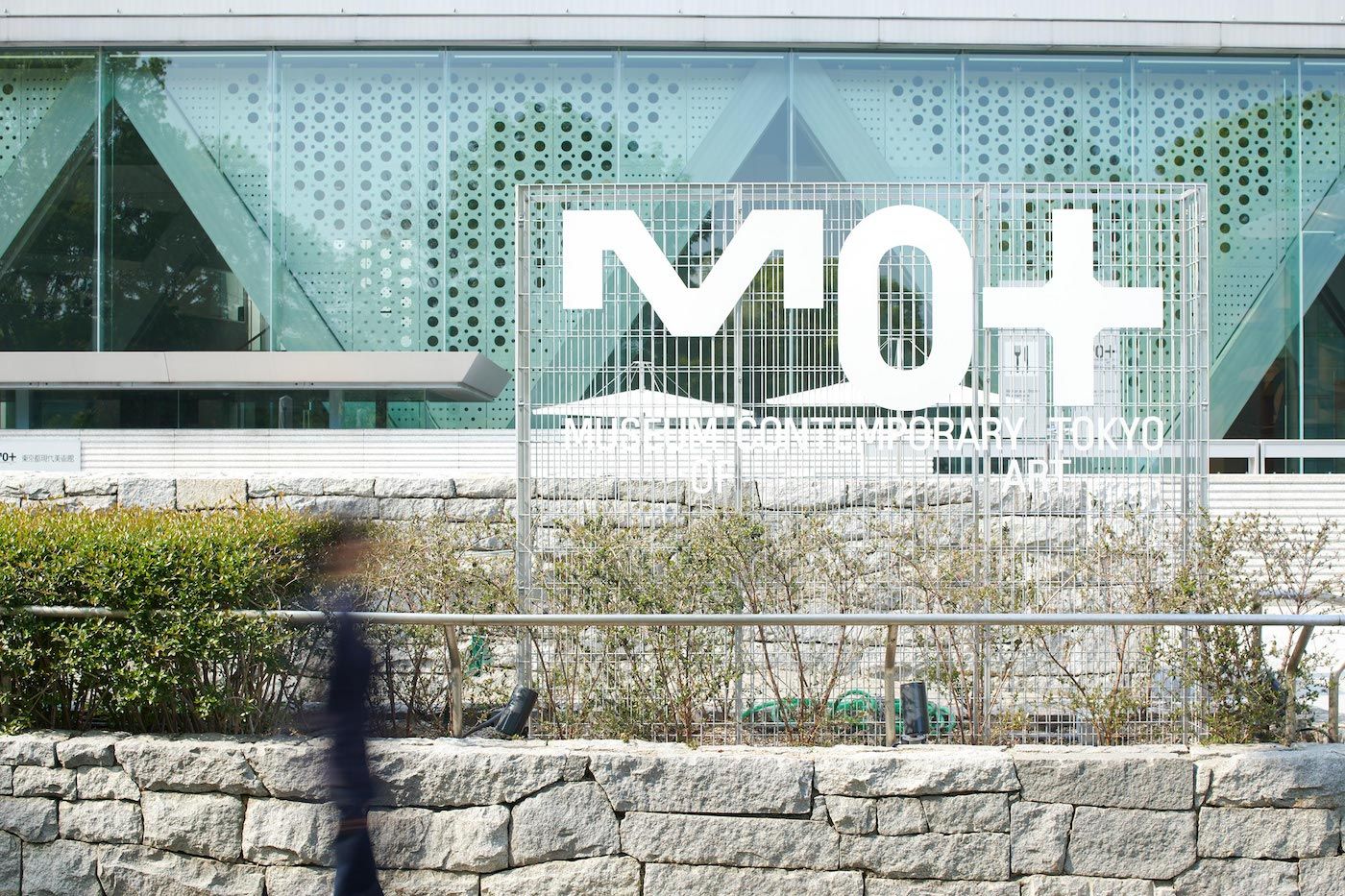
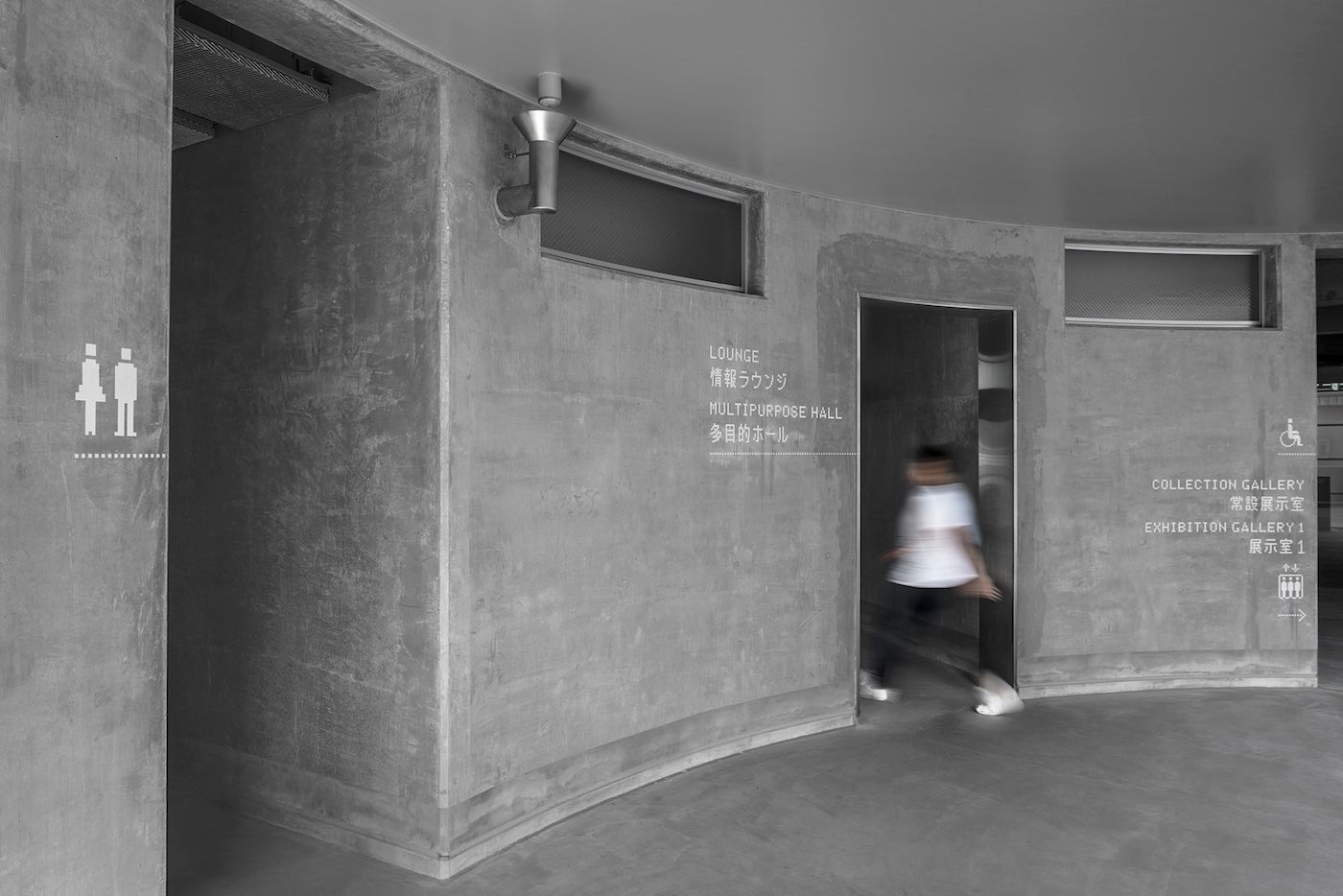
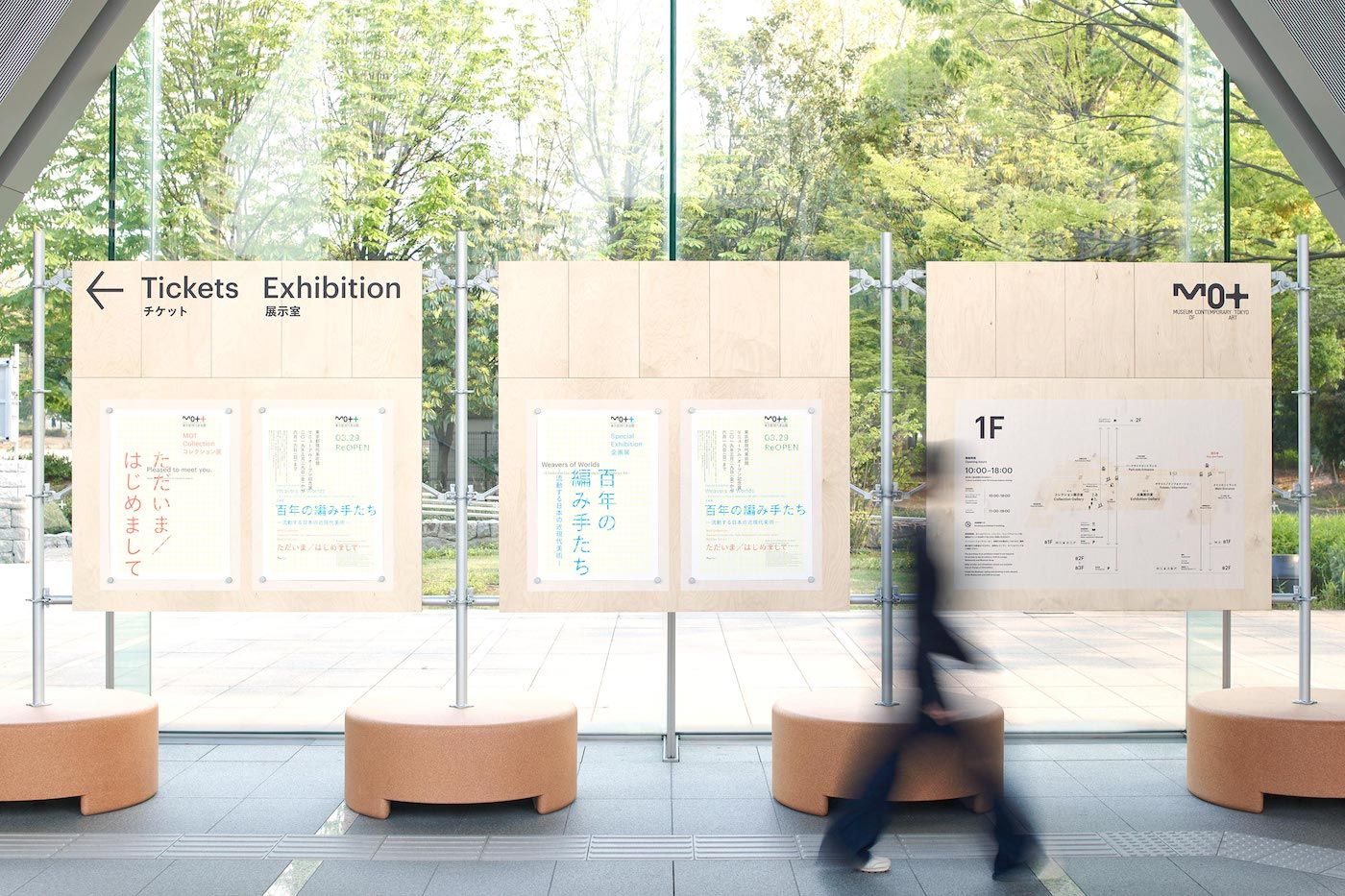
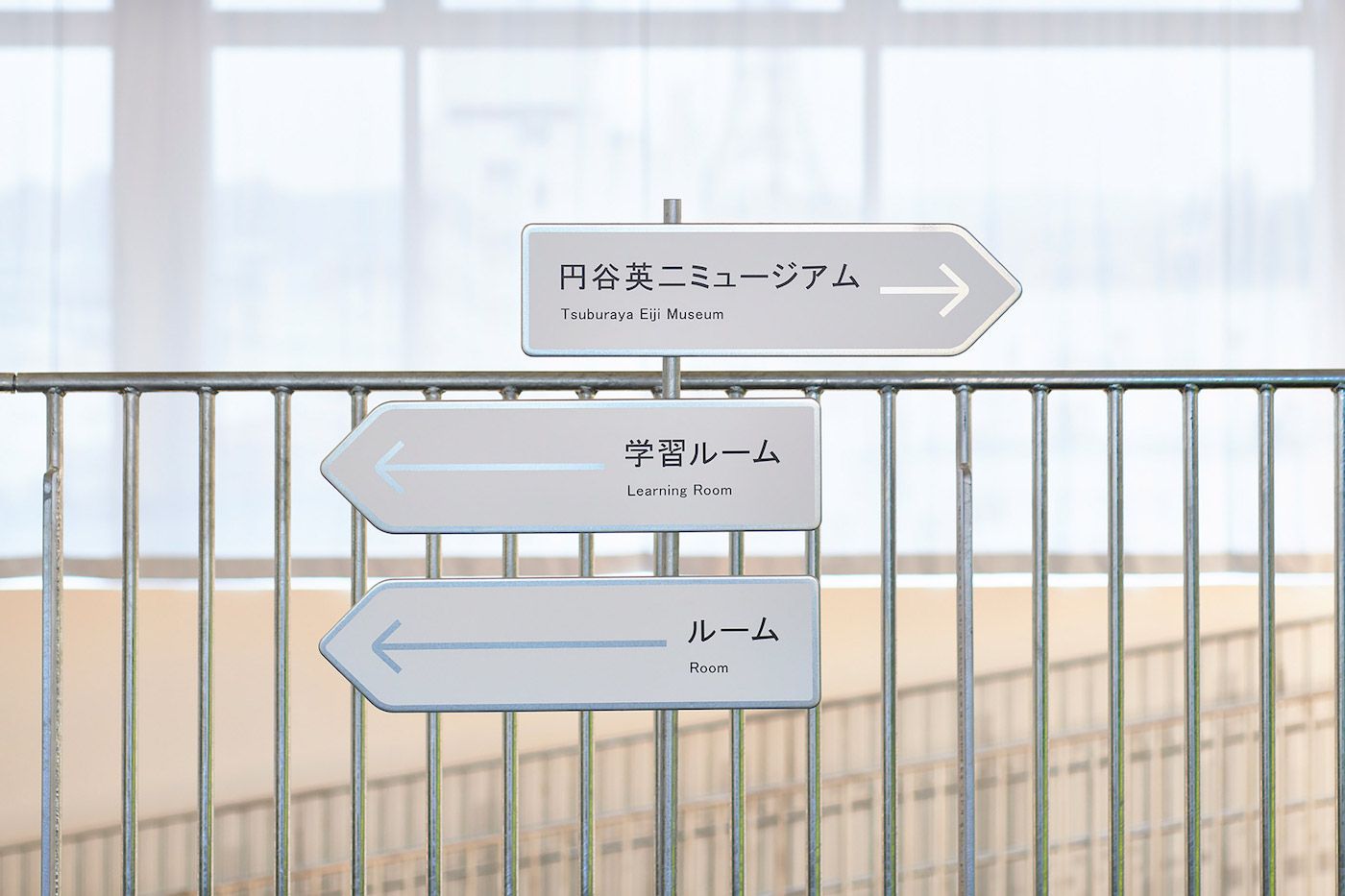
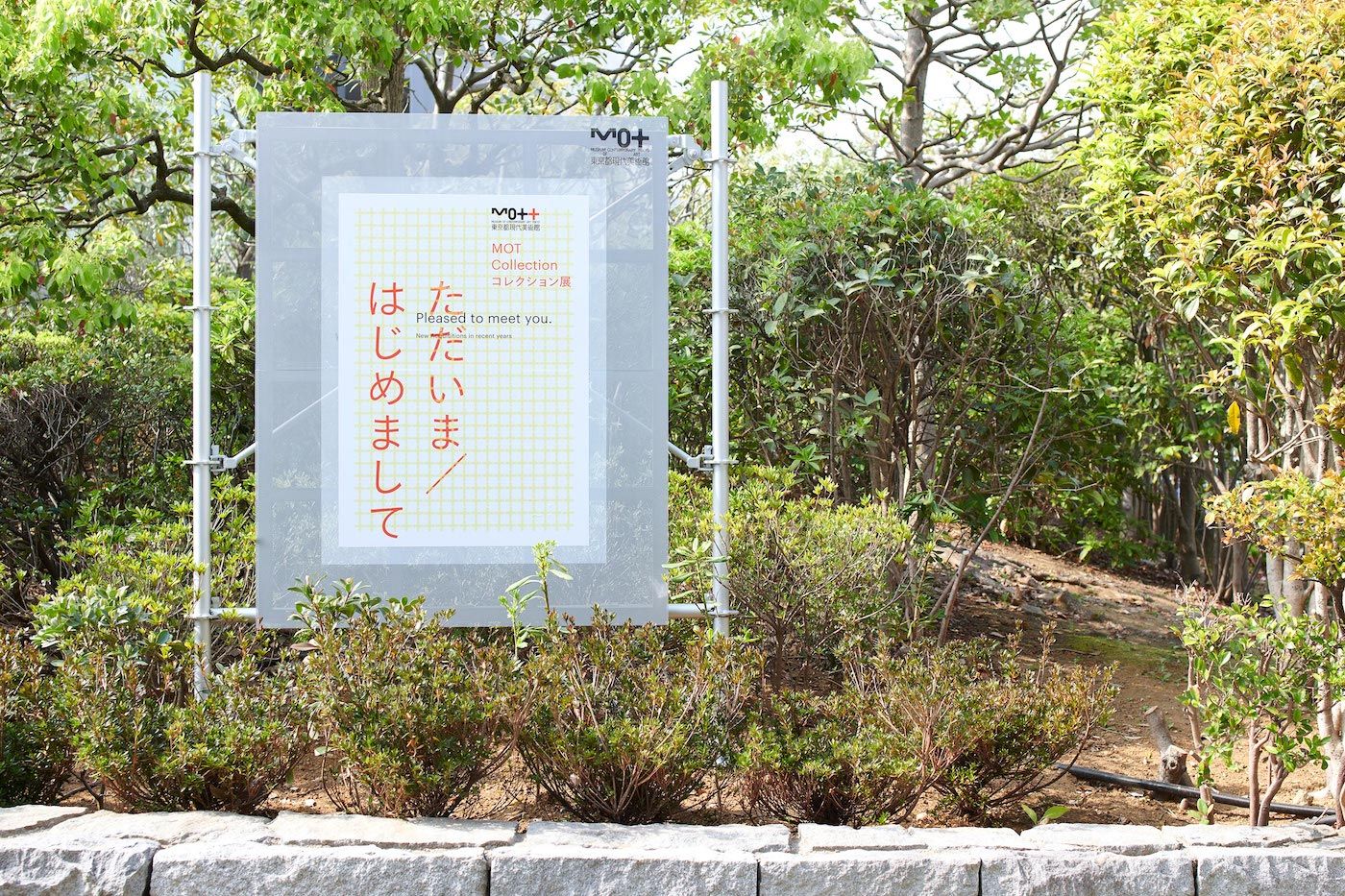
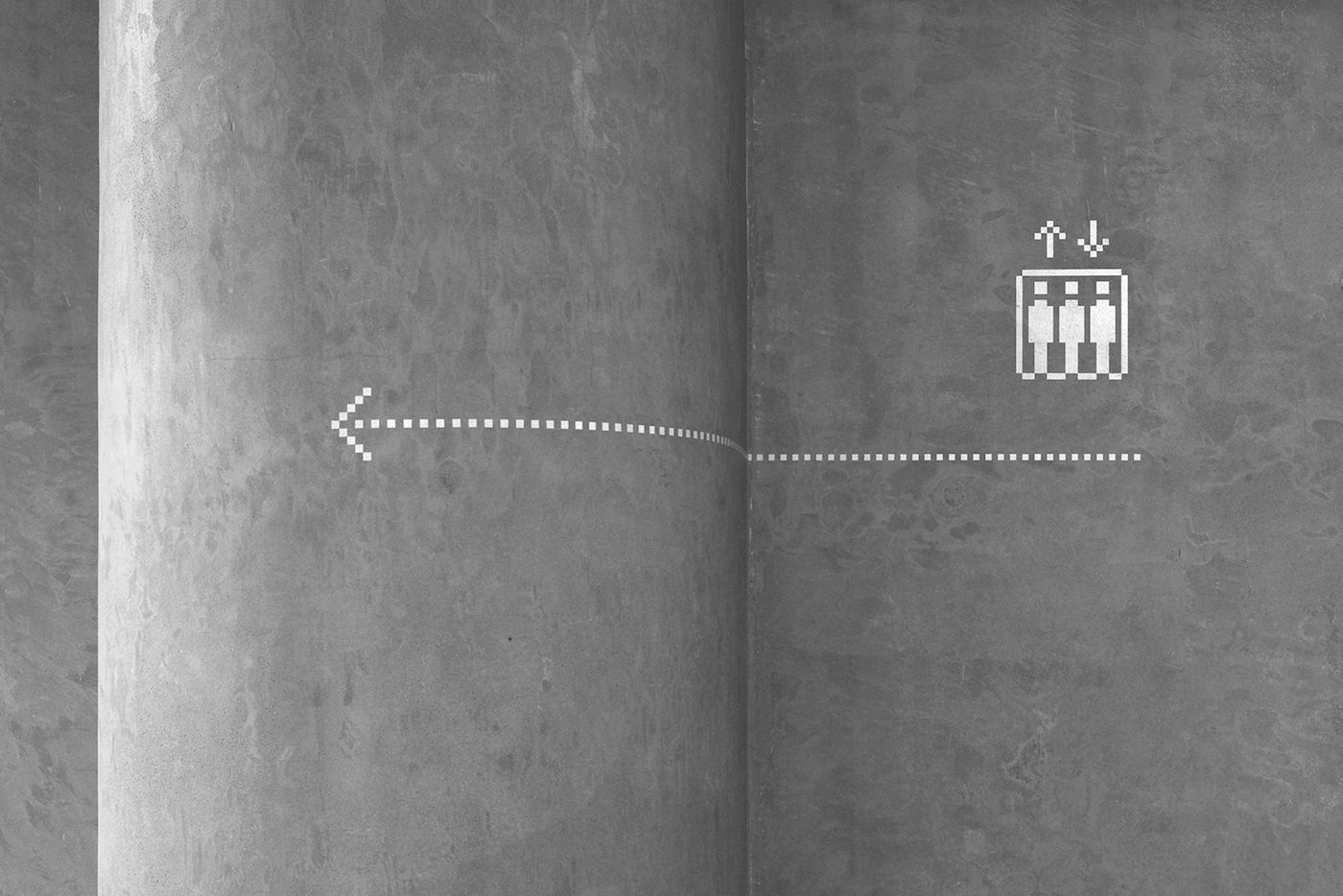
Recently, I was in charge of the renovation project of the Museum of Contemporary Art, Tokyo with Jo Nagasaka, an architect. Unless it was a relatively new building completed in 1995, it was necessary to renovate only with the new sign system and furniture, without touching the design of the architecture due to ordinances.
For a museum with a hard impression made of stone, iron and glass, a combination of materials such as cork and wood gives the space a softness. A flexible sign, and a furniture system created changes in conductors and location. In the future, I feel that the movement to devise and improve existing things will be activated, regardless of whether the product is new or old.
"Visual language is global and can easily cross a border like a verbal language, and the internet environment is pushing this further."
Globalization seems to be a big topic on designers’ minds today, specifically the concern about Western influence. How do you feel about globalization and its impact on design in Japan? Do you see designers reacting and striving for individuality in their work?
Visual language is global and can easily cross a border like a verbal language, and the internet environment is pushing this further. For example, it was hard to imagine a European designer knowing my design only half a century ago. For designs that have evolved in small communities, the range and depth of expression seem to be rapidly evolving with the environment that knowledge from around the world can be shared.
Many designs I see from Japan, especially poster designs, combine both Japanese and Latin/Roman characters. Is this just an aesthetic choice or do most of your designs need to cater to an international audience?
Needs to target an international audience is also an opportunity. In the first place, Japanese typography is made up of a combination of three different characters: Chinese characters transmitted from China, Katakana created based on them, and Hiragana, which was originally evolved.
Of course, there is no problem if English is included in the Japanese text. Accepting and changing such different languages is the complexity of Japanese and makes it interesting as well. It's difficult to think about design with different elements, but it's a unique point. It may be a sense that is not compatible with minimalism, but I think creation while accepting complexity is also a unique Japanese sensibility that was nurtured through everyday life.
I’ve read that Japanese typeface design can be so complex, designers often create characters just for specific headlines, rather than designing a full typeface. Is that accurate for your work?
Unlike the alphabet, Japanese has about 3,000 characters, so it takes time to develop from scratch. In addition, even if the kanji was used on a regular basis, there are 1 to 23 strokes, so unlike the alphabet, the density of characters can be greatly uneven. Furthermore, Katakana and Hiragana, which have a small number of strokes on average, have a different line quality of the characters themselves, and the combination itself is very complicated.
From what I've read, the Tohoku earthquake of 2011 had a big impact on Japanese design, shifting the priority from style/personality to form and function. Has this impacted you and your work in any specific way?
I don't think that my design trend has changed due to the Great East Japan Earthquake of 2011. If anything, because of the nuclear accident, I think I have a higher consciousness of disaster preparedness. In addition to this, I think that people are becoming more aware of sustainability and the community.
Do you see Japan moving toward more environmentally friendly designs?
At a global level, Japan may still be less aware of the ecosystem. Excessive packaging is one of the serious problems in the Japanese market. Regarding the package design that I am working on, I would like to eliminate waste as much as possible, including the cost aspect. However, on the other hand, material-rich expressions such as paper made by craftsmen should remain necessary.
I read that Japanese designers still seek a contrast between traditional design craftsmanship and new media in their work. But it seems that Tokyo specifically is diverse and open to new ideas. Where do you stand on this?
I want to be open to new media all the time, and also want to be open to the diversity of each project, not to stick to my own expression. On the other hand, even if it is a new method, I would like to have a natural relationship with something like the history of graphics.
What are the job opportunities available for designers in Tokyo right now?
It is difficult to answer because job opportunities are becoming increasingly diverse. In Japan, there are high expectations for inbound demand for the 2020 Tokyo Olympics and the 2025 Osaka Expo, so various facilities have been newly created and renovated. There seems to be a lot of projects related to such development.
What is design education like in Tokyo? And do most designers seek a formal education?
I don't think there is a system that can define design education in Tokyo. Especially when I was a student, the curriculum is quite focused on creating. There were not many teachers who were asking the way of thinking and process. I think the current situation seems to have changed considerably, but at that time there were only a few teachers who had practiced it. To be honest, I think it was quite immature as design education.
Related with my current team members, I think we have a variation of members who have unique experiences. In that way, rather than passively educated people, we have many members who have been actively investigating their interests, and I think it is good to have such people gathered.
What would you say are unique challenges for designers in your community right now?
Many designers, including myself, have studied mainly on print media, but we also actively propose dynamic on-screen media. Visual design is a technology that instantly conveys sensuously across languages.
Don't stick to the familiar tools in seeking how to communicate. Our team continues to challenge themselves and pursue this possibility.
Tokyo is so large and moves so fast, I imagine the design industry does too. Do agencies have the same crazy, fast-paced nature as we do in New York?
I don't know the situation in New York clearly, but I feel that the West coast is changing more rapidly with the development of technology. In Tokyo, the industry itself seems to be a slow tempo compared to the speed of the whole city. The overall trend is that rather than being renewed within each design agency, newborn teams are creating something new and pushing for change.
Under such circumstances, Nippon Design Center (to which my team belongs) is an old company with a 60-year history, but we keep evolving with proper speed. Based on the idea of “identify and visualize the essence”, we will continue to create with the intention of being both authentic and innovative.
As the world is getting smaller with the help of the internet, working with international clients is very common. Do you actively work with international clients or focus mostly on local clients? And do businesses typically work with local designers and studios?
I am actively working with overseas clients. This is because there is a desire to expand the ability to visualize the essence of ourselves to the unknown. And I don't think it's global because it's an overseas project. On the other hand, just because it is a Japanese region, I do not think that it is not global. Companies, countries and regions are all local when viewed from the surroundings, and I think it is our role to visualize and open local attractions in an easy-to-understand manner.
Based on my research, it seems that the government doesn’t provide much support for design in Japan. Given the popularity of design there, I found that surprising. What do you personally think needs to happen in Japan for this to change?
I think that there are two specific actions to get the government to recognize the importance of design and get support.
The first is to create a national design museum. It may seem surprising, but Japan does not have it. It is a shame that the value of design is not recognized despite the fact that we have globally famous designers in fashion, architecture, products and graphics.
The second is a change in education since childhood. In Japan, from elementary school to high school, design belongs to a sub-category that is introduced on several pages of art textbooks. I think it’s good too, teaching it as a separate subject while recognizing the commonality with paintings and sculptures. Personally, I think that design is a technique that can contribute to society and people in a different way from art. In order for people to live better in various situations, we need a lot of design power, and I think it is important to spread the benefits.
With the popularity of design in Tokyo and the number of new businesses opening every day in the city, how do you strive to stand out from the competition?
While observing the status of other companies from time to time, we are basically focused on generating the best solutions for our projects. We don't do anything to differentiate ourselves from other companies. However, I think that it is important to differentiate the design itself from the others, so we are working on design that is not possible or conceivable by others.
"Please do not hesitate to take any action based on your own thoughts. Something should change regardless of how big it is."
How much impact does your social media presence have on getting new clients and self-promotion in general? What works best for you?
I haven't analyzed the cause so I don't know, but in Japan, there is a unique saying: "if the wind blows the bucket, makers prosper." It means that one trigger eventually affects in unexpected ways. The important thing is that nothing will start unless you take action to make the wind of the first move.
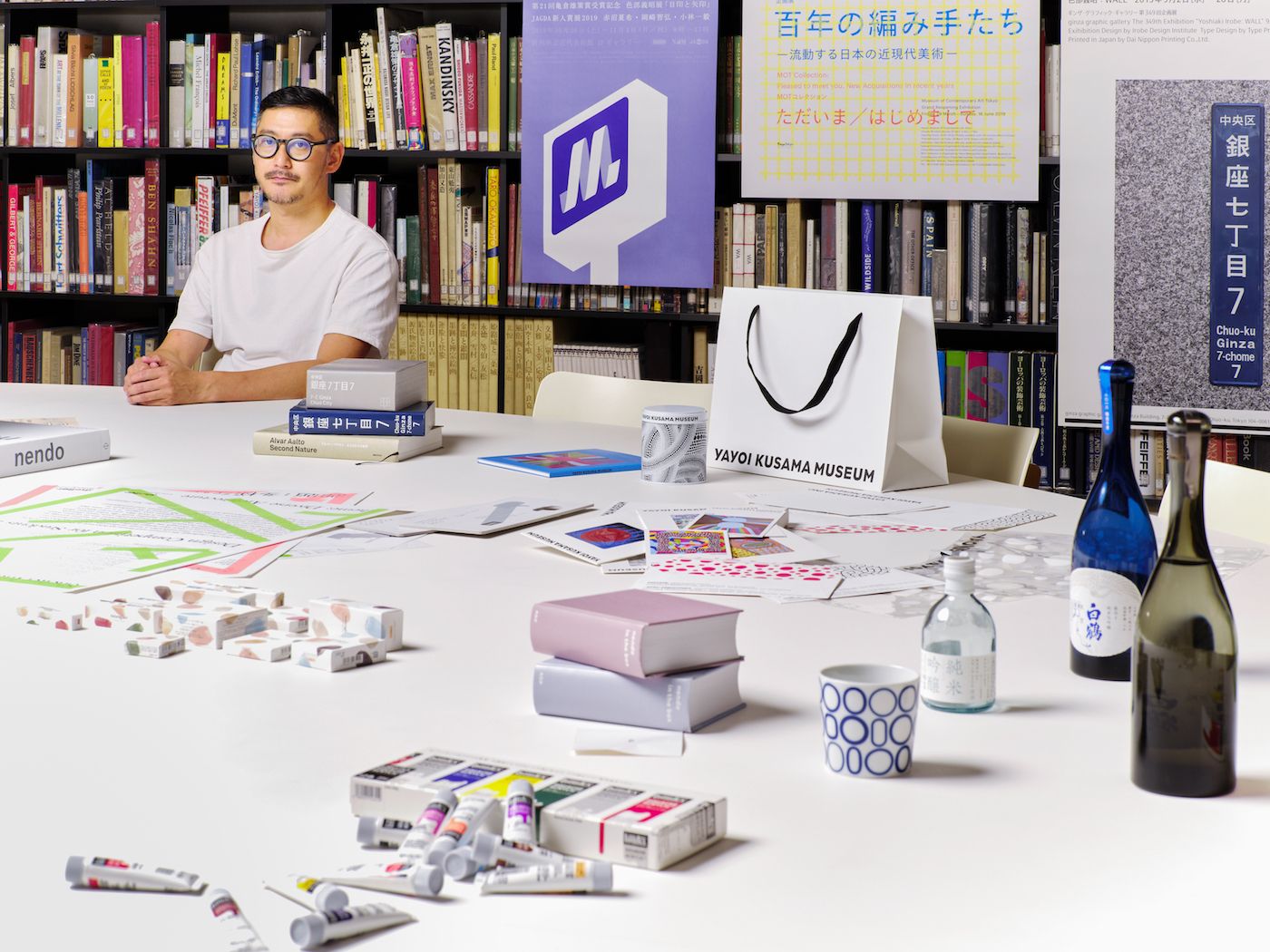
I believe that there are endless possibilities to connect people, including this interview (laughs). I had an independent proposal to rethink Japan's address plate even though nobody asked me, and these activities went around and led to a branding project for a national park in Japan. If there is a young person reading this article, please do not hesitate to take any action based on your own thoughts. Something should change regardless of how big it is.
I am also a believer in small actions leading to big change and have seen that to be true for myself.
Do you think good design can impact your society in a significant way or solve any issues it faces? And what does good design mean to you?
It’s a simple and difficult question. I don't want to define it strictly in my personal sense. There is also the term “optimal solution” that represents a good design, but it is the language on the side of accepting the design, not the language on the side of creating/providing the design like us.
Personally, I think that the term “individual solution” is more appropriate because I think many projects require individual, special answers. I would be very happy if I could solve the big and small problems I faced through my skills and ideas.
In your opinion, what are the top design studios from Tokyo that everyone who should know?
This is the hardest question to answer… There are so many interesting studios in Japan that make it difficult to choose. And there are various indicators such as uniqueness and solidity.
From well-balanced, medium-sized design companies such as NDC, we belonging to private studios where individuality stands out, there are so many attractive studios. If we have a chance to have dinner together, let me answer this question.
How can all designers and design communities from other countries do a better job of communicating with each other? How can we become more engaged with the Japanese design community? Are there any blogs or specific magazines we can follow?
If we have a closed impression from the outside, that is what we should care for more. Some magazines have a history such as IDEA magazine, but I can't find any design journalism that I think is interesting now. If there’s anything interesting outside of Japan, please let me know.
The 2020 Summer Olympics logo has been controversial in the design community, with a non-official concept finding more favor on the internet than the official logo. What's your take on the official logo? And are you noticing lots of positive design opportunities and initiatives in Tokyo as the Olympics get closer?
As a personal opinion, I do not think that it is perfect as a design. From the viewer’s perspective, the Olympics is a highly entertaining event, so picking up such expectations well is the most important. In that way, I don’t think it responds enough.
From a more specialized point of view, I'm most concerned with the type design. The formability and concept of the emblem are great, but the type design is too reluctant. Since this is a national event, couldn't there be any form of advice or collaboration from experts with knowledge of typography? I’m disappointed, a little.
But if you give me a question of right or wrong, my answer is right. I think that it is an extremely wonderful proposal in terms of the proposal ability of the emblem. I think that there has never been a case where the commonality and difference between the Olympics and the Paralympics have been so vividly expressed. But to the extent I can now know, no positive changes or initiatives have been found so far. After the first emblem that was chosen had trouble and was withdrawn, the design feels a little timider than before because of fear of criticism.
__
Yoshiaki Irobe, thank you so much for talking with us. We look forward to seeing what you and your team do next and seeing where each project, large and small, leads you from here.
Friends, check out Irobe Design Institute's work and if you know of any great design literature in Tokyo or elsewhere, share it with us and Yoshiaki Irobe. And if you're just discovering our Design Around the World series for the first time, you can catch up here.